
Understand and Enforce Child Support Obligations
Abedi Hanson Sletten PLLC handles establishment, modification, and enforcement of child support for clients in St Cloud and Apple Valley and across Minnesota.
Child support determines how much one parent pays to help cover the costs of raising a child, and the calculation depends on income, parenting time, and Minnesota guidelines. Abedi Hanson Sletten PLLC represents clients in St Cloud and Apple Valley and throughout Minnesota in child support matters, including initial establishment, modifications when circumstances change, and enforcement when payments are not made. The firm's attorneys represent both payors and recipients, addressing income disputes, financial documentation issues, and disagreements over the application of the guidelines.
The firm provides statewide representation from initial filings through court hearings, with clear explanations of your obligations and the long-term financial impacts of support orders. Whether you need to establish support for the first time, seek a modification due to job loss or increased income, or enforce an existing order that is not being followed, the attorneys guide you through the legal process and advocate for an outcome that reflects your current financial situation and your child's needs.
If you have questions about child support in St Cloud, Apple Valley, or anywhere in Minnesota, contact Abedi Hanson Sletten PLLC to discuss your case and your options.
How Minnesota Calculates Child Support
Minnesota uses a statutory formula to calculate child support based on the combined income of both parents, the number of children, and the percentage of parenting time each parent has. In St Cloud, Apple Valley, or anywhere in Minnesota, your attorney will gather income documentation such as pay stubs, tax returns, and business records, and apply the guidelines to determine the presumptive support amount. The court may deviate from the guidelines in certain circumstances, such as when a child has special needs or when one parent has significant financial resources.
After the court issues a child support order, you will have a monthly payment amount and a schedule for when payments are due. That order specifies who pays, how much, and how payments are made, often through income withholding. You will know what your financial obligation is, when it ends, and what happens if circumstances change. The order remains in effect until the child turns 18 or graduates from high school, whichever occurs later, unless the court modifies it sooner.
The firm handles cases involving self-employment income, bonus and commission disputes, imputed income when a parent is voluntarily unemployed, and retroactive support claims. The attorneys also address issues such as unreimbursed medical expenses, childcare costs, and allocation of tax dependency exemptions. If a support order is not being followed, the firm can pursue enforcement through income withholding, contempt proceedings, or judgment liens depending on the situation.
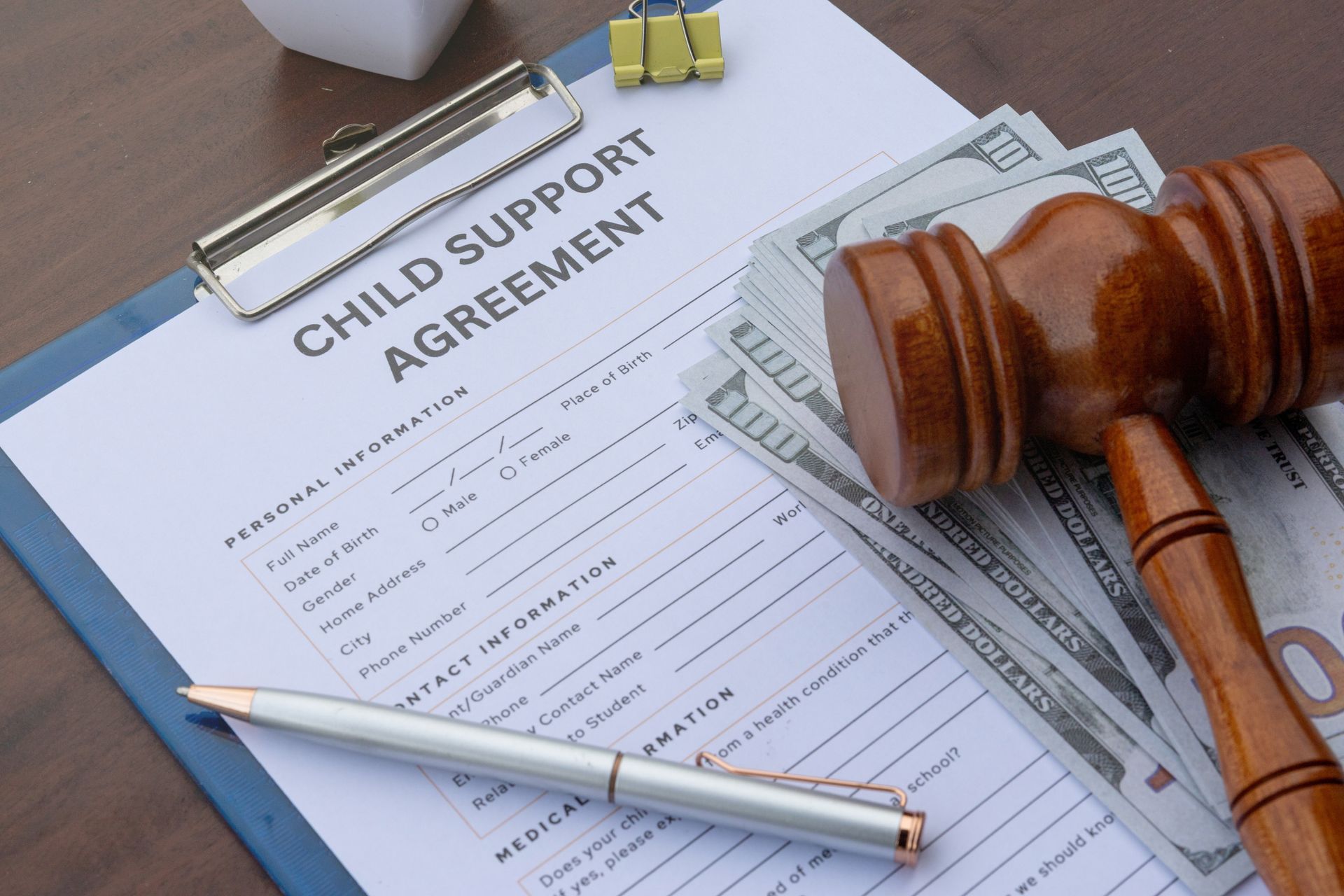
Clients often need to understand how child support is calculated, when it can be changed, and what options are available if payments are not being made or received.
You likely have questions about your obligations
Abedi Hanson Sletten PLLC represents clients in St Cloud and Apple Valley and throughout Minnesota in child support matters that require accurate financial analysis and courtroom advocacy. Learn more by contacting the firm to discuss your case.